




Description
Introduction
Pilates has become one of the most popular fitness systems worldwide due to its focus on core strength, flexibility, posture correction, and mindful movement. Unlike high-impact workouts, Pilates emphasizes controlled exercises that improve body alignment and long-term physical health. As demand for low-impact and rehabilitation-friendly fitness programs increases, qualified Pilates instructors are becoming highly valuable in gyms, wellness studios, and online coaching platforms.
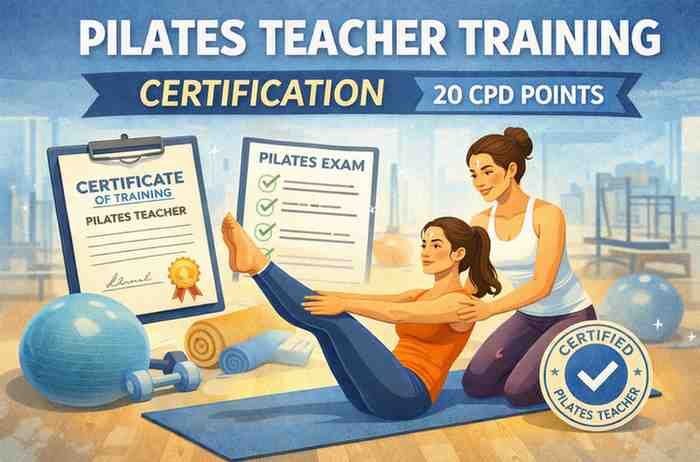
The Pilates Teacher Training Certification (20 CPD Points) course is designed to help learners understand Pilates principles while developing the skills required to teach safe and effective sessions. This comprehensive review evaluates the course structure, learning outcomes, teaching quality, professional value, and overall effectiveness.
Course Overview
This course aims to provide both theoretical knowledge and practical instruction techniques necessary for Pilates teaching. It covers movement fundamentals, anatomy awareness, and structured lesson planning suitable for beginners and aspiring instructors.
Key Learning Objectives
By completing the course, learners can expect to:
-
Understand the core principles of Pilates training
-
Learn proper Pilates exercise techniques
-
Improve posture and body alignment knowledge
-
Design safe Pilates workout sessions
-
Develop coaching and instruction skills
-
Understand client safety and movement correction
The program is structured to support learners who want to teach Pilates professionally as well as individuals looking to deepen personal practice.
Course Curriculum Breakdown
1. Introduction to Pilates Principles
The course begins by explaining the foundational philosophy behind Pilates training.
Key concepts include:
-
Core stability and control
-
Breathing techniques
-
Precision and movement control
-
Body awareness and alignment
-
Mind–body connection
Understanding these principles helps learners perform exercises safely and teach them effectively.
2. Anatomy and Movement Fundamentals
A strong understanding of anatomy is essential for preventing injury and improving exercise outcomes.
Topics covered:
-
Major muscle groups used in Pilates
-
Postural alignment
-
Joint movement mechanics
-
Core muscle activation
-
Safe range of motion
This section helps instructors understand how exercises affect different parts of the body.
3. Pilates Exercise Techniques
This module forms the practical core of the course, demonstrating essential Pilates movements.
Learners study:
-
Mat-based Pilates exercises
-
Correct body positioning
-
Exercise progressions and regressions
-
Common technique mistakes
-
Movement modifications for different fitness levels
Clear demonstrations help learners build confidence in performing and teaching exercises.
4. Teaching Methodology and Instruction Skills
Teaching Pilates requires more than knowing exercises. This section focuses on instructional skills needed for professional coaching.
Key lessons include:
-
Cueing techniques and communication
-
Structuring a Pilates session
-
Demonstrating exercises effectively
-
Observing and correcting client form
-
Creating supportive learning environments
These skills are essential for anyone planning to teach group or individual sessions.
5. Program Design and Class Planning
Learners are guided through designing structured Pilates sessions tailored to different goals.
Topics include:
-
Beginner-friendly session planning
-
Progressive workout structure
-
Balancing strength and flexibility exercises
-
Adapting workouts for varying fitness levels
-
Building safe training progressions
This module bridges theory and real-world teaching application.
6. Client Safety and Injury Prevention
Safety is a major focus in Pilates instruction. The course explains how to minimize risks during training.
Covered concepts:
-
Identifying movement limitations
-
Safe exercise modifications
-
Avoiding common injuries
-
Maintaining proper posture during workouts
-
Responsible instructor practices
This section is particularly valuable for trainers working with beginners or rehabilitation-focused clients.
7. Professional Development for Pilates Instructors
The course also introduces professional considerations for building a Pilates teaching career.
Learners explore:
-
Instructor responsibilities
-
Client communication techniques
-
Confidence building as a trainer
-
Creating professional sessions
-
Developing long-term client relationships
These insights help learners transition from student to instructor mindset.
Teaching Style and Learning Experience
The course uses a structured and easy-to-follow teaching format suitable for self-paced learning.
Learning Experience Highlights
-
Clear exercise demonstrations
-
Step-by-step instruction methods
-
Beginner-friendly explanations
-
Practical coaching guidance
-
Focus on safe movement execution
The pacing allows learners to gradually build both technical knowledge and teaching confidence.
Who Should Take This Course?
This course is ideal for:
✅ Aspiring Pilates instructors
✅ Fitness trainers expanding their skillset
✅ Yoga or wellness coaches
✅ Physiotherapy and rehabilitation assistants
✅ Fitness enthusiasts interested in low-impact training
✅ Individuals seeking posture and mobility improvement knowledge
No advanced fitness background is required, making it accessible to beginners.
Key Benefits
Strong Focus on Technique and Safety
The course emphasizes proper form and injury prevention, which is critical in Pilates instruction.
Career-Oriented Training
Teaching methodologies and session planning prepare learners for real instructor roles.
Low-Impact Fitness Specialization
Pilates expertise is increasingly valuable due to growing demand for rehabilitation-friendly workouts.
Flexible Learning
Self-paced lessons allow learners to practice movements alongside training.
Areas for Improvement
While the course provides solid foundational training, some learners may notice:
-
Limited advanced equipment-based Pilates coverage
-
Less focus on business or marketing aspects of becoming a trainer
-
Advanced rehabilitation applications are only briefly introduced
Despite these limitations, the course remains highly effective for foundational certification training.
Skills You Will Develop
After completing the course, learners typically gain:
-
Understanding of Pilates principles and movement mechanics
-
Confidence performing and teaching mat Pilates exercises
-
Ability to design structured Pilates sessions
-
Improved posture and movement awareness
-
Coaching and communication skills
-
Knowledge of safe exercise modifications
These skills are directly applicable to both personal practice and professional instruction.
Career and Professional Value
Pilates continues to grow within wellness, rehabilitation, and fitness industries. Qualified instructors can work in:
-
Fitness studios and gyms
-
Yoga and wellness centers
-
Rehabilitation and mobility programs
-
Online fitness coaching platforms
-
Private personal training services
Adding Pilates certification enhances versatility for fitness professionals and expands career opportunities.
Summary
Pilates Teacher Training Certification (20 CPD Points) provides a well-structured introduction to Pilates instruction, combining exercise technique, anatomy understanding, and teaching methodology into a practical learning experience.

Reviews
There are no reviews yet.