




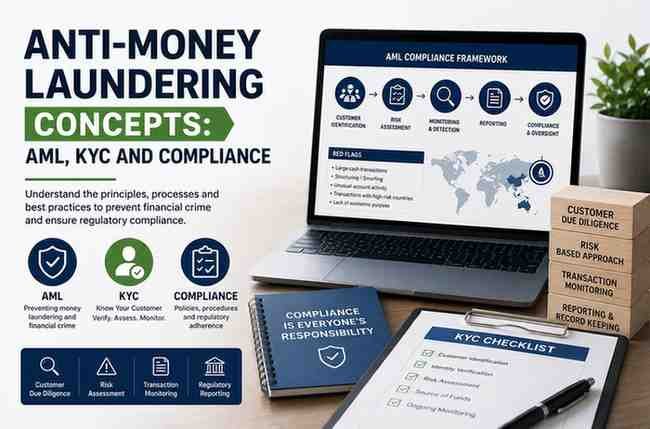
Description
Financial crimes such as money laundering and illegal fund transfers are major global concerns. Governments, banks, fintech companies, and financial institutions are under constant pressure to ensure strict compliance with Anti-Money Laundering (AML) and Know Your Customer (KYC) regulations.
If you want to understand how financial institutions detect suspicious transactions and prevent financial crime, the “Anti-Money Laundering Concepts: AML, KYC and Compliance” course on Udemy is designed to introduce you to the core concepts of AML regulations and compliance frameworks.
This review explains everything about the course — including curriculum, learning outcomes, benefits, and whether it is worth taking.
Course Overview
The Anti-Money Laundering Concepts: AML, KYC and Compliance course focuses on explaining the mechanisms used by financial institutions to identify and prevent money laundering activities.
It introduces learners to the regulatory frameworks, compliance processes, and risk management practices used globally to combat financial crimes.
The course is structured for beginners and professionals who want to gain foundational knowledge of AML compliance, financial monitoring systems, and regulatory obligations.
Students learn how banks and financial organizations implement KYC procedures, perform customer due diligence, monitor transactions, and report suspicious activities.
What You Will Learn
This course focuses on building a strong conceptual understanding of AML compliance and financial crime prevention.
Key learning outcomes include:
- Understanding the fundamentals of money laundering
- Learning how criminals disguise illegal funds
- Understanding AML regulations and compliance requirements
- Exploring KYC (Know Your Customer) processes
- Learning how financial institutions perform Customer Due Diligence (CDD)
- Understanding Enhanced Due Diligence (EDD) procedures
- Identifying suspicious financial transactions
- Learning how compliance teams investigate unusual financial activity
- Understanding the importance of risk-based AML frameworks
These concepts are critical for anyone interested in working in banking, fintech, compliance, auditing, or financial risk management.
Course Curriculum Breakdown
The course is divided into clear modules that progressively build your understanding of AML concepts.
1. Introduction to Money Laundering
This module explains what money laundering is and why it is considered a serious financial crime worldwide. It also discusses the global impact of illicit financial activities.
2. The Three Stages of Money Laundering
Students learn about the classic money laundering process:
- Placement
- Layering
- Integration
Understanding these stages helps identify suspicious financial transactions.
3. AML Regulations and Compliance
This section covers regulatory requirements that financial institutions must follow to prevent money laundering. It explains how organizations build internal compliance systems.
4. Know Your Customer (KYC)
KYC procedures are a cornerstone of financial compliance. This module teaches how institutions verify customer identity, assess risk levels, and monitor customer behavior.
5. Customer Due Diligence (CDD)
Students learn how financial institutions evaluate customers before allowing them to open accounts or conduct transactions.
6. Enhanced Due Diligence (EDD)
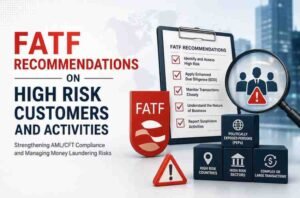
EDD is used for high-risk customers. This module explains additional monitoring procedures used for politically exposed persons (PEPs) or high-risk transactions.
7. Suspicious Activity Monitoring
This module focuses on identifying unusual financial activities and reporting them to authorities through Suspicious Activity Reports (SAR).
Who Should Take This Course
This course is suitable for a wide range of learners, especially those interested in financial compliance.
Ideal learners include:
- Banking professionals
- Compliance officers
- Financial analysts
- Risk management professionals
- Finance and accounting students
- Fintech professionals
- Auditors
- Anyone interested in financial crime prevention
Even beginners without prior knowledge of AML regulations can easily understand the course content.
Skills You Will Gain
After completing the course, learners will develop practical knowledge in:
- AML compliance frameworks
- KYC verification processes
- Customer risk assessment
- Financial transaction monitoring
- Suspicious activity reporting
- Regulatory compliance management
These skills are valuable in industries such as banking, financial services, fintech, consulting, and auditing.
Course Benefits
One of the biggest advantages of this course is that it simplifies complex financial regulations into easy-to-understand lessons.
Major benefits include:
- Beginner-friendly explanations
- Practical insights into AML systems
- Clear explanation of KYC procedures
- Useful knowledge for compliance careers
- Flexible self-paced learning
Because AML compliance is mandatory in most financial institutions, this course can help learners understand real-world regulatory processes.
Career Opportunities After Learning AML Concepts
The demand for AML professionals has increased significantly due to global financial regulations and anti-fraud initiatives.
After learning AML and KYC fundamentals, you can explore roles such as:
- AML Analyst
- Compliance Officer
- Risk Analyst
- Fraud Prevention Specialist
- Financial Crime Investigator
- Regulatory Compliance Consultant
Banks, fintech companies, payment gateways, and international financial institutions constantly hire professionals with AML knowledge.
Pros of the Course
- Clear explanation of AML and KYC concepts
- Suitable for beginners
- Covers essential compliance procedures
- Useful for finance and banking careers
- Self-paced learning on Udemy
Possible Limitations
While the course provides strong conceptual knowledge, learners seeking advanced AML analytics or regulatory case studies may need additional specialized training.
However, for beginners and professionals wanting foundational knowledge, the course is highly valuable.
Is This Course Worth Taking?
Yes. The Anti-Money Laundering Concepts: AML, KYC and Compliance course is a valuable introduction to financial crime prevention and regulatory compliance.
If you are planning to work in banking, fintech, auditing, compliance, or financial risk management, understanding AML and KYC frameworks is essential.
This course helps you build that foundation in a simple and structured way, making it a good learning resource for anyone interested in the financial compliance field.

Reviews
There are no reviews yet.