




Description
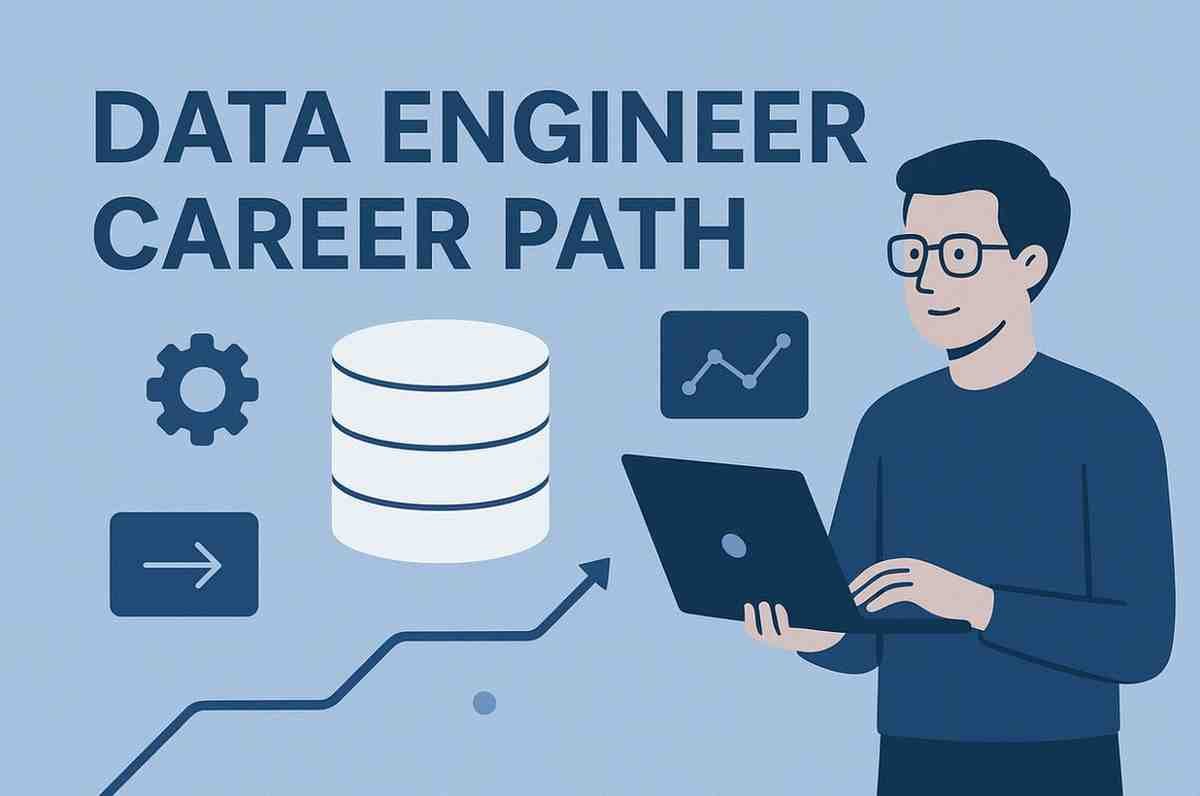
The Data Engineer Career Path on Microsoft Learn is a structured learning journey designed to equip learners with the technical expertise, real-world skills, and Microsoft ecosystem knowledge required to become a job-ready data engineer. Unlike traditional courses that offer generic lessons, this program is deeply integrated with Azure services, industry tools, and hands-on labs, making it particularly valuable for those aiming to work in cloud-driven data environments.
This review breaks down the curriculum, learning experience, strengths, weaknesses, career relevance, and whether this pathway truly prepares you for a data engineering career in 2025 and beyond.
What Is the Data Engineer Career Path?
The Data Engineer Career Path is a curated set of learning modules and guided projects developed by Microsoft’s subject-matter experts. It covers all foundational and advanced areas of data engineering, including:
-
Data architecture
-
Database technologies
-
Data ingestion and ETL
-
Data pipelines and workflow orchestration
-
Big data processing
-
Real-time data analytics
-
Lakehouse architectures
-
Azure services for data engineering
-
Data security, governance, and compliance
The pathway aligns closely with job roles such as:
-
Azure Data Engineer
-
Data Pipeline Developer
-
ETL Developer
-
Database Engineer
-
Cloud Data Engineer
The course also supports preparation for Microsoft certifications like DP-203: Azure Data Engineer Associate.
⭐ Curriculum Review
The program is divided into multiple learning paths, each focusing on a core competency. Here’s an in-depth breakdown of what learners experience:
1. Data Engineering Essentials
This module lays the foundation for beginners. It introduces:
-
What data engineers do
-
Data lifecycle and architecture
-
Difference between OLTP, OLAP, data lakes, warehouses, and lakehouses
-
Modern data platform components
The explanations are beginner-friendly, making it easy to grasp even if you have no background in data engineering.
2. Working with Relational and Non-Relational Data
Using SQL and NoSQL concepts, this module covers:
-
Database design principles
-
Indexing, partitioning, and optimization
-
SQL queries and performance tuning
-
Working with Azure SQL Database
-
Introduction to Azure Cosmos DB
This section balances theory with hands-on labs — an approach that ensures learners understand both “why” and “how.”
3. Building Data Pipelines
A significant portion of the course focuses on pipelines, ETL, and ELT processes.
You learn tools such as:
-
Azure Data Factory — for pipeline orchestration
-
Azure Synapse Pipelines
-
Azure Data Lake Storage Gen2
The module includes real-world examples of ingesting data from sources like APIs, on-premise databases, and cloud platforms.
4. Big Data and Distributed Processing
For learners entering data engineering in 2025, big data skills are essential. This program covers:
-
Distributed processing basics
-
Hadoop ecosystem concepts
-
Apache Spark fundamentals
-
Databricks-style notebook experiences (via Synapse)
-
Data transformations at scale
Microsoft Learn excels here by offering interactive Spark labs in Azure Synapse Analytics.
5. Lakehouse and Modern Data Warehousing
Learners explore the hottest architecture trend: Lakehouse.
Topics include:
-
Delta Lake fundamentals
-
Medallion architecture (Bronze, Silver, Gold layers)
-
Building data warehouses with Azure Synapse
-
SQL pools and serverless querying
This mirrors how modern enterprise data teams operate.
6. Real-Time Data Processing
Data engineers today must handle streaming data. The path includes:
-
Event Hubs and IoT Hub basics
-
Real-time ingestion pipelines
-
Stream Analytics jobs
-
Building dashboards with Power BI on streaming datasets
This module is extremely practical for roles in finance, e-commerce, IoT, and security analytics.
7. Data Security, Governance, and Compliance
This course strongly emphasizes enterprise-grade responsibilities:
-
Role-based access control
-
Encryption and network security
-
Azure Purview for data governance
-
Data catalogs and lineage tracking
Security and governance content is often missing in other courses — here, it’s treated as a core skill.
🎓 Learning Experience
Hands-On Labs
Microsoft Learn uses interactive sandboxes, allowing learners to practice:
-
Creating pipelines
-
Running Spark notebooks
-
Building Azure data solutions
No Azure subscription is required.
Self-Paced Yet Structured
The pathway is flexible, but the sequence is thoughtfully designed.
Badges and Achievements
Each module grants badges, motivating learners to complete milestones.
👍 Strengths of the Program
1. Completely Free
All learning materials, labs, and resources are free — making it one of the best-value programs available.
2. Aligned with Industry Standards
The course is designed based on real Microsoft job roles and DP-203 exam standards.
3. Practical and Hands-On
The sandbox learning experience is unmatched for a free course.
4. Beginner-Friendly Yet Advanced
Whether you are starting fresh or upskilling, the course meets you where you are.
5. Vendor-Specific Expertise
If you want to work in Azure-based data engineering, this is the best foundational resource available.
👎 Limitations
1. Azure-Centric
If you want to work on AWS or GCP, the course may feel restrictive.
2. No Certificate (Unless you take DP-203)
Microsoft Learn doesn’t offer a certificate of completion for pathways.
3. Requires Self-Discipline
It’s self-paced; you need time and consistency to complete it.
4. Limited Real-World Projects
While you get labs, you may still need external projects to build a portfolio.
🧑💼 Who Should Take This Path?
This course is ideal for:
-
Beginners entering data engineering
-
Cloud or database professionals transitioning into data roles
-
BI developers who want to move into pipeline engineering
-
IT professionals preparing for Azure Data Engineer certification
-
Students aiming for cloud careers
📈 Career Outcomes After Completing This Path
Upon completing the program, learners gain skills suitable for roles like:
-
Data Engineer
-
Azure Data Engineer
-
ETL Developer
-
Pipeline Engineer
-
Analytics Engineer
-
Data Architect (junior)
Typical salary ranges for entry-level to mid-level data engineers (India):
-
₹6 LPA to ₹20 LPA depending on experience and location.
⭐ Is the Microsoft Learn Data Engineer Career Path Worth It?
Absolutely YES, especially if you want to build a strong foundation in data engineering with Azure as your primary skillset.
The pathway is:
-
Comprehensive
-
Hands-on
-
Beginner-friendly
-
Professionally aligned
-
Completely free
While it doesn’t replace real-world projects or certification, it provides the perfect grounding in the exact skills companies want today.


Reviews
There are no reviews yet.