




Description
Introduction
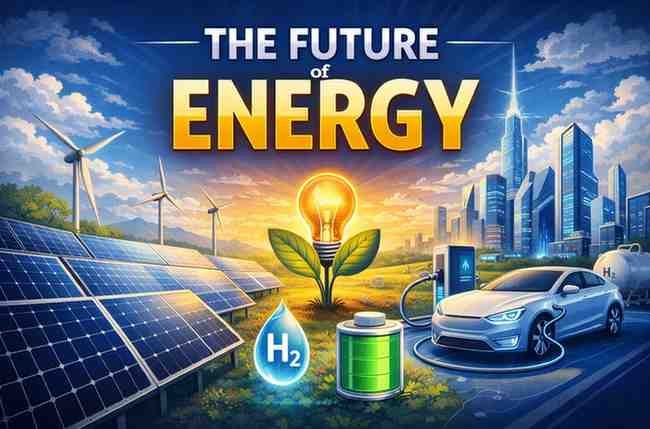
The global energy landscape is undergoing a major transformation driven by resource depletion, climate concerns, technological innovation, and changing economic priorities. “The Future of Energy” is a strategic-level course designed to help learners understand how energy systems may evolve and what long-term transitions could shape the global economy.
Rather than focusing purely on engineering or installation techniques, this course approaches energy from a macro-analysis and futurist perspective, combining sustainability, economics, and long-term forecasting concepts. It aims to equip learners with analytical frameworks used to evaluate energy viability, policy direction, and future resource challenges.
What You Will Learn
The course emphasizes conceptual clarity and strategic thinking rather than technical calculations. Key learning outcomes include:
-
Understanding the global energy transition and resource limitations
-
Analysis of the potential future oil crisis
-
Evaluation of alternative energy solutions
-
Measuring and comparing different energy systems
-
Understanding Energy Return on Investment (EROI/EROEI) concepts
-
Long-term economic and societal impacts of energy shortages
-
Climate change implications for energy policy and development
-
Frameworks for forecasting future energy economies
Learners gain insight into how energy decisions influence civilization-scale outcomes rather than individual technologies alone.
Course Curriculum Breakdown
1. Resource Depletion and Energy Demand
The course begins by explaining how exponential consumption patterns influence fossil fuel availability. Learners explore why traditional assumptions about long-term oil supply may be misleading and how consumption growth changes future projections.
2. Energy Measurement and Net Energy Concepts
A major portion of the course introduces energy evaluation metrics such as Energy Return on Investment. These concepts help students understand that producing energy itself requires energy inputs, influencing overall system sustainability.
3. Potential Solutions to Energy Challenges
Different pathways toward replacing fossil fuels are analyzed, including renewable systems and behavioral adaptations. The course discusses both technological possibilities and practical limitations.
4. Climate Change and Transition Dynamics
The program examines how climate pressures accelerate energy transition decisions and how policy, economics, and public behavior interact with technological adoption.
5. Future Energy Economy Models
Learners are introduced to multiple possible future energy scenarios, offering a structured way to analyze long-term global outcomes rather than relying on speculation.
Teaching Style and Learning Experience
The instructor adopts an analytical and discussion-oriented teaching style. Instead of formula-heavy lectures, lessons focus on:
-
Conceptual explanations
-
Strategic thinking frameworks
-
Real-world energy comparisons
-
Scenario-based analysis
The course challenges commonly held assumptions about energy availability and encourages critical thinking. This makes it particularly useful for learners interested in policy, research, journalism, or consulting roles.
Who This Course Is For
This course is especially suitable for:
-
Students interested in renewable energy and sustainability
-
Economists and policy enthusiasts
-
Journalists covering climate or energy topics
-
Business strategists and analysts
-
Energy consultants and advisors
-
Writers and researchers exploring future technologies
-
Anyone curious about long-term global energy trends
Because no technical background is required, beginners can comfortably follow the material.
Key Strengths
Strategic Perspective
Unlike many renewable energy courses focused only on solar or wind technology, this program analyzes the big-picture future of global energy systems.
Beginner-Friendly Approach
Complex topics such as net energy and exponential growth are explained in accessible terms.
Unique Energy Futurist Framework
The course introduces analytical methods rarely covered in traditional academic programs, helping learners develop differentiated knowledge.
Interdisciplinary Coverage
It blends science, economics, sustainability, and societal impact into one cohesive learning path.
Areas That Could Be Improved
-
Limited hands-on technical demonstrations
-
Less focus on engineering calculations or system design
-
Some concepts are theoretical rather than implementation-based
Learners seeking installation skills or engineering depth may need supplementary technical courses.
Skills You Gain After Completion
By completing this course, learners can:
-
Analyze energy systems from a strategic perspective
-
Understand long-term sustainability challenges
-
Evaluate competing energy technologies objectively
-
Interpret global energy trends and forecasts
-
Develop informed opinions on climate and resource debates
These skills are valuable in consulting, research, writing, and policy-related careers.
Career and Practical Value
The knowledge gained is particularly relevant for emerging roles connected to sustainability and future planning, including:
-
Energy analyst
-
Sustainability consultant
-
Policy researcher
-
Climate and energy journalist
-
Strategic business advisor
Understanding energy transition dynamics is increasingly important as governments and industries invest heavily in renewable infrastructure and long-term planning.
Pros and Cons
Pros
-
Clear explanation of complex energy concepts
-
Strong focus on future forecasting and analysis
-
Beginner-friendly structure
-
Broad interdisciplinary insights
-
Useful for non-engineering professionals
Cons
-
Not a technical engineering course
-
Minimal practical simulations or calculations
-
More conceptual than hands-on
Summary
“The Future of Energy” is an insightful course for learners who want to understand where global energy systems are heading and why. It stands out by focusing on strategic analysis rather than technology tutorials, making it highly valuable for professionals interested in sustainability, economics, and long-term planning.
If your goal is to develop a deeper understanding of energy transition, resource challenges, and future economic implications, this course provides a strong conceptual foundation. However, learners seeking technical renewable energy design skills should combine it with more engineering-focused training.




Reviews
There are no reviews yet.